Notifications

Site Tour with Test Users
Choose a test user to login and take a site tour.
Choose a test user to login and take a site tour.


8 minutes, 30 seconds
-1 View 0 Comments 0 Likes 0 Reviews
Rick Owens never really wanted his clothes to be comfortable, or immediately pleasing for everybody, like right away. He sort of built the whole career around shapes that feel… off, unsettled first, but then they kind of seduce anyway, in a very strange way. His garments often look torn, twisted, or unfinished on purpose, at least at a quick glance. Still, inside that roughness there’s this plain, undeniable elegance that sneaks up on you. Owens grew up far away from the usual fashion capitals, more shaped by California landscapes that feel stark, almost severe. That distance gave him the ability to ignore old-school rules about attractive design, no pressure to match symmetry. Instead of chasing clean balance, he chased tension weight and this raw physical presence. Over time it turned him into one of fashion’s most fearless outsiders, and honestly it never felt like a pose.
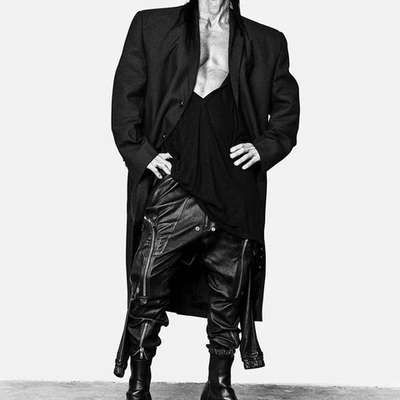
For Owens, distortion was never just a cheap trick for people who only want to be shocked. It became a serious vocabulary, a way to say deeper emotional truths. https://rickowns.com/ twist in a way that feels unnatural, hemlines drag, shoulders swell past the normal proportions, almost like they’re stretching beyond the body’s permissions. Each exaggerated shape pushes audiences to question what clothing is “supposed” to do. He treats fabric like sculpture, pushing it until it argues back with the wearer’s frame. That constant push between structure and chaos is basically the signature look, the visual dialect. Nothing seems accidental, even when the garment appears to be falling apart, like deliberately. Every distorted line comes with intention, discipline, and years of careful technical refinement, not just random mess.
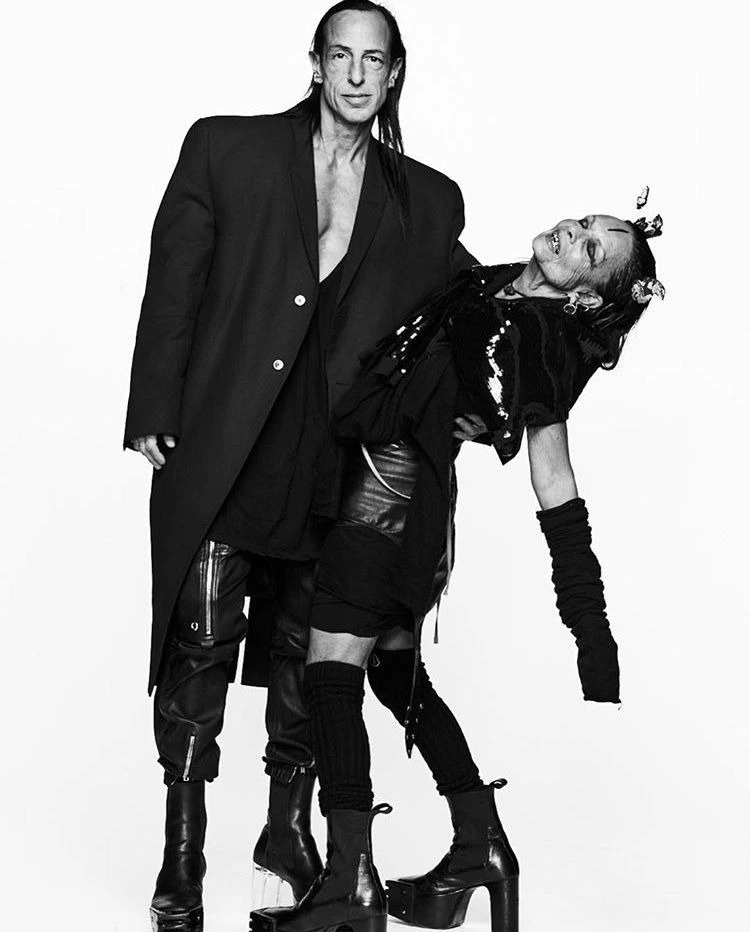
Owens doesn’t usually design clothes that simply flatter or highlight the usual physical curves. Instead, he reshapes the human silhouette into something taller, heavier, or just stranger. Padded shoulders spread outward, while hems pool dramatically around ankles, and then down toward the floor like a slow spill. Those choices change posture, so wearers move with unfamiliar physical confidence, not the usual “pretty” confidence. The body turns into architecture, not merely a frame for decorative surface details, because the structure starts to lead. Models often look monumental, almost otherworldly, crossing minimalist runway sets that feel stripped down. This reshaping makes viewers separate beauty from familiar, expected human proportions. It suggests strength and strangeness can still live together, within one silhouette, no apology needed.
Traditional fashion loves polish, symmetry, and finishing that’s flawless and predictable. rickowns.com instead leans into frayed edges, exposed seams, and textures that look intentionally rough. He implies imperfection carries more emotional honesty than any sterile, perfectly finished garment. Cracks distortions, and asymmetries become signs of resilience, not obvious mistakes. This idea lands hard with audiences tired of impossibly perfect fashion images, the kind that always look like nothing ever touched them. His work says damage and beauty aren’t separate sides, they intertwine. The garments feel lived in, quietly powerful, like they’ve absorbed something. This redefinition also gave other designers permission to show visible textile flaws, rather than hiding them like shame.
Owens treats runway shows less like commerce and more like solemn ceremonies. Dim lighting, heavy soundtracks, slow pacing, all of it builds an almost spiritual atmosphere, but without being too neat about it. People describe his shows as unsettling, hypnotic, and strangely moving experiences. Models move with deliberate control, sometimes marching, sometimes swaying like figures in a procession. Those theatrical choices move fashion toward performance art, not just a display. Every element, from music to staging, reinforces the distorted, sculptural design philosophy. The ritualistic tone lifts collections beyond seasonal trend talk into cultural statements. Viewers leave feeling challenged, not just entertained by decorative clothing for the moment.
Younger designers now reference his exaggerated shapes, plus those unconventional draping decisions, pretty often. Streetwear brands borrow the oversized silhouettes but sometimes forget to mention the origin, or the lineage, whatever you want to call it. High fashion houses also study his fearless way of using asymmetry and structural imbalance, because it’s not timid. His influence even spills beyond clothes into architecture, furniture, and interior design choices. A lot of creatives cite him as proof that strangeness can become genuinely commercial, like it can sell without turning bland. The ripple effect shows how much his aesthetic changed contemporary visual culture. Even critics who dislike the work admit the impact is real and lasting, like it’s stuck in the bloodstream of taste. Few designers shift expectations across multiple creative industries like that.
Rick Owens basically proved that beauty doesn’t need symmetry, comfort, or that immediate “nice to look at” feeling. He showed distortion can hold emotional weight, not only discomfort. His career reshaped how audiences interpret imperfection in modern fashion and design. Through ritualistic shows and sculptural silhouettes, he built a visual language that keeps repeating itself in new variations. That language still influences designers who prefer tension over easy predictable prettiness. Owens finally expanded fashion’s idea of attractiveness into something darker, richer, and stranger, not kinder or softer by default. His legacy stays like a reminder that beauty often hides inside deliberate chaos, and maybe that chaos is the point.
Q1: What makes Rick Owens' style so distinct?
He blends distortion, sculptural shapes, and raw texture into a moody, powerful aesthetic.
Q2: Why does Owens avoid conventional beauty standards?
He believes tension and imperfection reveal more honesty than flawless, predictable design.
Q3: How do his runway shows differ from typical fashion shows?
They feel ritualistic, slow, and emotionally charged rather than purely commercial display.
Q4: Has Owens influenced mainstream fashion?
Yes, his silhouettes show up in streetwear, luxury, and even architecture-adjacent design work.
Q5: What is his lasting legacy in fashion?
He redefined beauty as something darker, stranger, and emotionally rich rather than perfect.