Notifications

Site Tour with Test Users
Choose a test user to login and take a site tour.
Choose a test user to login and take a site tour.


13 minutes, 6 seconds
-4 Views 0 Comments 0 Likes 0 Reviews
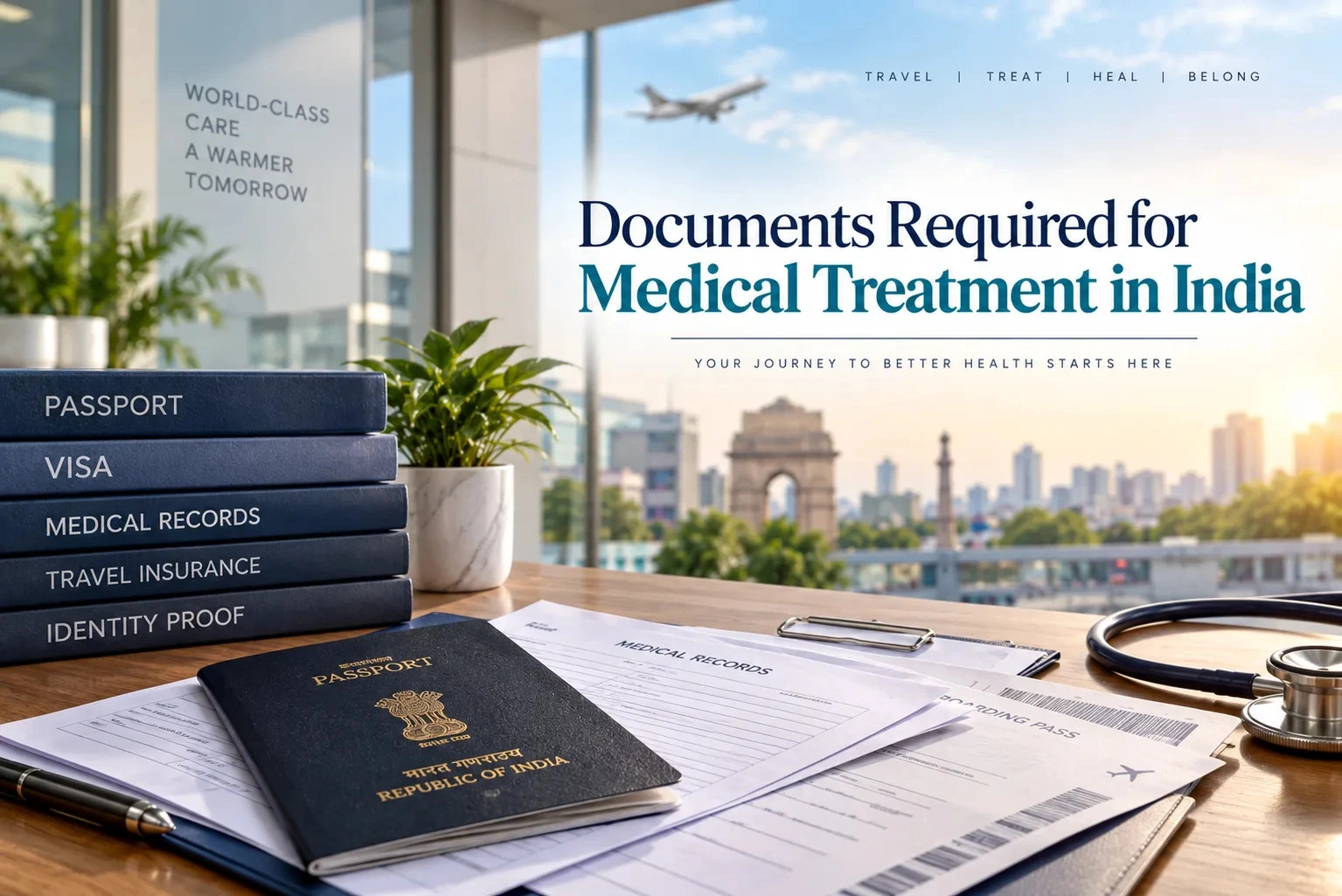
Travelling to another country for healthcare requires more preparation than simply booking a hospital appointment. International patients need to organise medical records, identification documents, travel papers, and other supporting paperwork before leaving home. Having the right documents ready can make communication with doctors, hospital registration, visa processing, and travel arrangements easier.
For anyone planning medical treatment in India for international patients, document preparation should begin as early as possible. Requirements can differ according to the patient's nationality, treatment, hospital, visa category, and individual circumstances. Therefore, patients should always confirm the latest requirements with the relevant Indian authorities, embassy or consulate, and healthcare provider.
HealthRoop supports international patients by helping coordinate medical consultations, hospital communication, treatment planning, and medical travel arrangements.
Medical records provide doctors with important information about a patient's condition and previous treatment. At the same time, identity and travel documents are needed for hospital admission and international travel.
A patient may have to share documents at several stages, including:
Keeping these documents organised in both physical and digital formats can be helpful during the journey.
The exact list depends on the patient's medical situation and travel requirements. However, the following documents are commonly useful when preparing for treatment.
A valid passport is one of the most important documents for international travel. Patients should check that their passport meets the applicable validity requirements before making travel arrangements.
A clear scanned copy of the passport may also be requested by the hospital or medical facilitator while preparing a consultation or treatment-related documentation.
Medical records are particularly important when seeking treatment abroad. Doctors need relevant information to understand the patient's condition before recommending further investigations or treatment.
Depending on the condition, records may include:
Patients should avoid sending only a single recent report when older records are relevant to the diagnosis.
A referral letter or medical recommendation from the patient's existing doctor can provide useful background information.
It may explain the diagnosis, previous treatment, current condition, and reason for seeking specialist care in India.
The specific format required can depend on the hospital and visa application process.
Patients travelling for treatment may need documentation from an Indian hospital or healthcare provider confirming the proposed consultation or treatment.
This type of document can be important during the medical travel and visa process. Patients should obtain the appropriate documentation directly from the hospital or authorised healthcare provider.
Photographs may be required for certain applications and hospital-related paperwork. The number, size, background, and format can vary depending on the particular application.
It is useful to keep several recent photographs available when preparing travel documents.
Visa documentation is a separate part of the preparation process. The exact paperwork can vary depending on nationality and the current rules applicable to the applicant.
When reviewing medical visa documents for India, patients should check the latest instructions provided by the official Indian visa authorities, embassy, or consulate serving their country.
Documents may include relevant identification, medical documentation, hospital-related paperwork, photographs, and other supporting information requested during the application.
Because visa rules can change, patients should not rely on an old checklist found online.
The India medical visa requirements applicable to an international patient can depend on factors such as nationality, purpose of travel, duration of stay, and the type of visa being requested.
Patients should carefully review the current requirements before submitting an application.
It is also important to make sure that names, passport numbers, dates, hospital details, and other information are consistent across the application and supporting documents. Small differences in important personal information can create unnecessary confusion.
Once the patient reaches India, additional paperwork may be needed by the hospital.
The documents required for international patients in India can include:
The hospital may request additional documents depending on the planned treatment.
Patients should ideally prepare their documents before finalising their travel schedule. Waiting until the last moment can make the process stressful, particularly when reports need translation, additional tests are requested, or hospital documentation takes time to obtain.
A simple document folder can contain separate sections for:
Personal Documents:
Passport, photographs, identification and contact details.
Medical Documents:
Reports, scans, prescriptions, diagnosis records and previous treatment summaries.
Hospital Documents:
Appointment confirmation, treatment estimate and other communication received from the healthcare provider.
Travel Documents:
Visa, flight details, accommodation information and emergency contacts.
Keeping these categories separate makes it easier to locate a document when required.
Carrying original documents is important, but digital backups can also be valuable.
Patients can keep scanned copies of important paperwork on a secure device or other accessible storage. Medical images may require their original digital format or a suitable viewing format, depending on what the hospital requests.
It is also wise to keep copies of prescriptions and medication details separately in case the originals are misplaced.
Patients travelling from countries where medical records are not written in English may need translations for communication with Indian hospitals or authorities.
The need for translation depends on the institution and application. Patients should confirm whether certified or officially recognised translations are required rather than assuming that an informal translation will be accepted.
A clear translation can also help doctors understand previous diagnoses and treatment history more accurately.
Patients taking regular medicines should prepare a current medication list.
The list can include:
Patients should also discuss their medicines with their treating team before travelling, particularly when undergoing surgery or other major treatment.
Some international patients travel with a family member or caregiver. The accompanying person's documents may need to be prepared separately.
These may include identification, passport, applicable visa documentation, photographs, travel details, and any documents required for the accompanying person's role.
The exact requirements depend on the circumstances and applicable immigration rules.
Patients using international health insurance should bring their policy information and relevant contact details.
Before travelling, they should check whether treatment in India is covered and whether pre-authorisation is required.
Other financial documents may also be useful, such as payment confirmations or hospital estimates. Patients should ask the hospital which payment methods and documents are accepted.
Before departure, international patients can use a simple checklist:
Personal information:
Confirm that passport details and application information are accurate.
Medical records:
Collect recent reports and relevant historical records.
Hospital confirmation:
Keep appointment and treatment-related documents accessible.
Visa:
Check that the visa or travel authorisation is valid for the planned journey.
Travel:
Keep flight and accommodation details available.
Medication:
Carry prescriptions and a current medicine list.
Emergency contacts:
Save the hospital, family, insurance, and local contact information.
This preparation can make the first few days in India more manageable.
Preparing for treatment abroad can involve communication with hospitals, doctors, visa-related planning, accommodation providers, and travel services. Managing all these details independently can be challenging, particularly for patients already dealing with a serious medical condition.
HealthRoop assists international patients with the coordination side of their medical journey. This can include helping collect medical information, arranging specialist consultations, communicating with hospitals, coordinating treatment estimates, and supporting travel-related arrangements.
HealthRoop does not replace the treating doctor or government authorities. Patients should verify medical and visa requirements with the appropriate professionals and official sources.
Before leaving for India, patients should review their complete paperwork one more time. Important documents should be easy to access rather than packed away in checked luggage.
A practical folder may contain:
Having both physical and secure digital copies provides an additional backup.
Knowing the documents required for medical treatment in India can help international patients prepare their healthcare journey with greater confidence. Medical records are essential for specialist assessment, while passport, visa, hospital, and travel documents support the practical side of international treatment.
The documents required for international patients in India can vary, so patients should confirm their individual requirements before travelling. The same applies to documents for medical visa India applicants and other visa-related paperwork.
With organised documentation and proper coordination, patients can reduce avoidable delays and focus more attention on their treatment and recovery. HealthRoop can assist international patients with medical coordination and travel support throughout their journey to India.